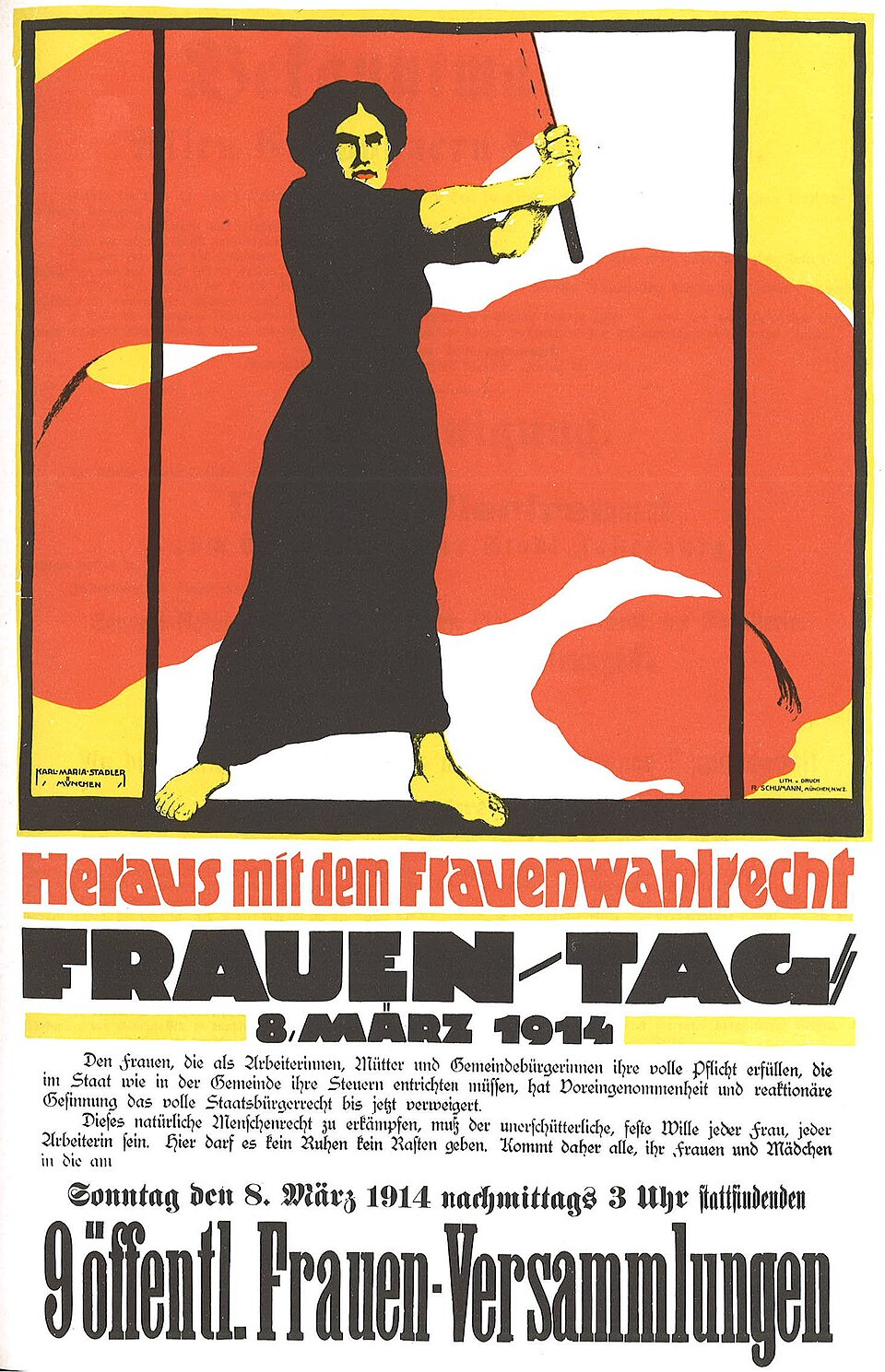
The Genesis of a Global Movement: Unpacking the Roots of International Women's Day 2026
As International Women's Day 2026 approaches on Friday, March 8th, the world gears up once more to celebrate the remarkable achievements of women across social, economic, cultural, and political spheres. Yet, beyond the vibrant parades, inspiring speeches, and global campaigns, lies a rich history steeped in fierce advocacy and groundbreaking protest. The journey from the early 20th-century demands for basic rights to the globally recognized day we observe in 2026 is a testament to the unwavering spirit of women fighting for equality.
For many, International Women's Day 2026 will be a moment of joyous recognition, a time to spotlight progress and inspire future generations. But its very foundation is built on the courageous activism of women who dared to challenge the status quo, demanding a fairer world. Understanding these origins is crucial for appreciating the full significance of what this day represents today.
From Factory Floors to City Streets: Early 20th Century Activism
The earliest sparks of what would become International Women's Day can be traced back to a period of intense industrialization and social upheaval in the early 20th century. Women, often working in deplorable conditions for meager wages, began to organize, realizing that collective action was their only path to change. These movements weren't just about economic improvement; they were deeply intertwined with the broader fight for social justice and human rights.
A pivotal moment in this burgeoning movement occurred in 1908 in New York City. On a cold February day, 15,000 women garment workers took to the streets, marching through the city to demand:
- Shorter working hours: Challenging the exploitative 10-12 hour days that were common.
- Better pay: Fighting for wages that could sustain a livelihood, not just subsistence.
- Voting rights: Recognizing that political representation was essential for lasting change.
This powerful protest, a bold display of solidarity and determination, sent shockwaves through society. It was a clear signal that women were no longer willing to accept their marginalization. This wasn't merely a localized labor dispute; it was a potent symbol of a global awakening, laying down critical groundwork for the women's rights movement and directly influencing the call for a dedicated day to celebrate and advance women's causes. The bravery exhibited by these women in 1908 resonates profoundly with the spirit of activism that continues to define IWD 2026: Celebrating Achievements & Tackling Persistent Inequality.
Establishing an International Day: From Socialist Initiative to Global Recognition
Inspired by these impactful protests, the idea of an international day dedicated to women began to take shape. In 1910, at the second International Conference of Working Women in Copenhagen, a German socialist named Clara Zetkin proposed the establishment of an annual "International Women's Day." Her vision was for a day that would unite women worldwide in their struggle for economic, social, and political equality, serving as a powerful platform to press for their demands.
The proposal was met with unanimous approval by the more than 100 women from 17 countries present. The first International Women's Day was celebrated on March 19, 1911, in Austria, Denmark, Germany, and Switzerland, drawing over a million participants to rallies and demonstrations. These early observances focused on women's rights to work, vote, hold public office, and end discrimination. The date eventually shifted to March 8th in 1913, reportedly after Russian women's suffrage protests on that day in 1917, and it has remained the globally recognized date ever since. This transition from a socialist initiative to a widespread, universally recognized day highlights the universal resonance of women's struggles and aspirations.
Beyond Celebration: The Dual Purpose of International Women's Day 2026
While the initial concept of International Women's Day was deeply rooted in protest and the demand for fundamental rights, its evolution has embraced a dual purpose: celebration and continued activism. International Women's Day 2026 stands as a powerful reminder of this rich legacy. It recognizes the immense social, economic, cultural, and political advancements women have made, from breaking glass ceilings in boardrooms to leading nations and pioneering scientific discoveries.
However, the celebratory aspect is inextricably linked to the ongoing fight for gender equality. This day shines a spotlight on the persistent barriers and inequalities women still face globally. These challenges are manifold and include:
- Unequal pay: The enduring gender pay gap that sees women earning less than men for equivalent work.
- Gender-based violence: The pervasive issue of domestic abuse, sexual harassment, and other forms of violence against women and girls.
- Workplace discrimination: Obstacles to career progression, biased hiring practices, and lack of representation in leadership roles.
- Barriers to education and healthcare: Disparities in access to quality education and essential health services in many parts of the world.
- Underrepresentation in leadership and politics: The continued lack of women in decision-making positions at all levels of government and industry.
The spirit of International Women's Day is thus a dynamic blend of acknowledging progress and galvanizing further action. It serves as a vital platform for individuals, organizations, and governments to collectively address these injustices and work towards a truly equitable world. In 2026, this balance will be more important than ever as global challenges continue to impact women disproportionately.
How Its Legacy Informs International Women's Day 2026
The origins of IWD as a day of protest for fundamental rights continue to profoundly influence how we observe International Women's Day 2026. It's not just a passive observance; it's an active call to participate in accelerating change. The demands of those early marchers for fair treatment and political voice echo in today's advocacy for pay equity, reproductive rights, and greater political representation.
For individuals and communities, this means engaging thoughtfully with the day. Here are some practical ways to honor its protest-driven legacy in 2026:
- Educate Yourself and Others: Delve deeper into the history of women's rights and the specific challenges women face today. Share this knowledge within your networks.
- Support Women-Led Initiatives: Patronize businesses owned by women, donate to organizations working for gender equality, or volunteer your time.
- Advocate for Policy Change: Contact your representatives to support legislation that promotes gender equality, from equal pay laws to protections against gender-based violence.
- Amplify Women's Voices: Use your platforms, whether social media or community groups, to highlight the achievements and struggles of women.
- Challenge Bias: Actively confront sexism, stereotypes, and discrimination in your daily life, workplace, and community.
- Participate in Events: Join local marches, conferences, workshops, or online campaigns dedicated to IWD 2026.
The journey from the demanding streets of New York in 1908 to the global observances of International Women's Day 2026 underscores a fundamental truth: progress is rarely given; it is demanded. The day serves as a powerful reminder that while much has been achieved, the fight for true gender equality is an ongoing endeavor that requires continuous vigilance, advocacy, and solidarity.
Conclusion
International Women's Day 2026 is far more than a date on the calendar; it is a living testament to the enduring power of women's activism and solidarity. From its roots in early 20th-century protests for better working conditions and voting rights, it has evolved into a global platform that both celebrates women's achievements and relentlessly calls for a more equitable future. As we mark March 8th, 2026, let us remember the courage of those who marched before us and renew our commitment to the ongoing work of achieving gender equality for all.